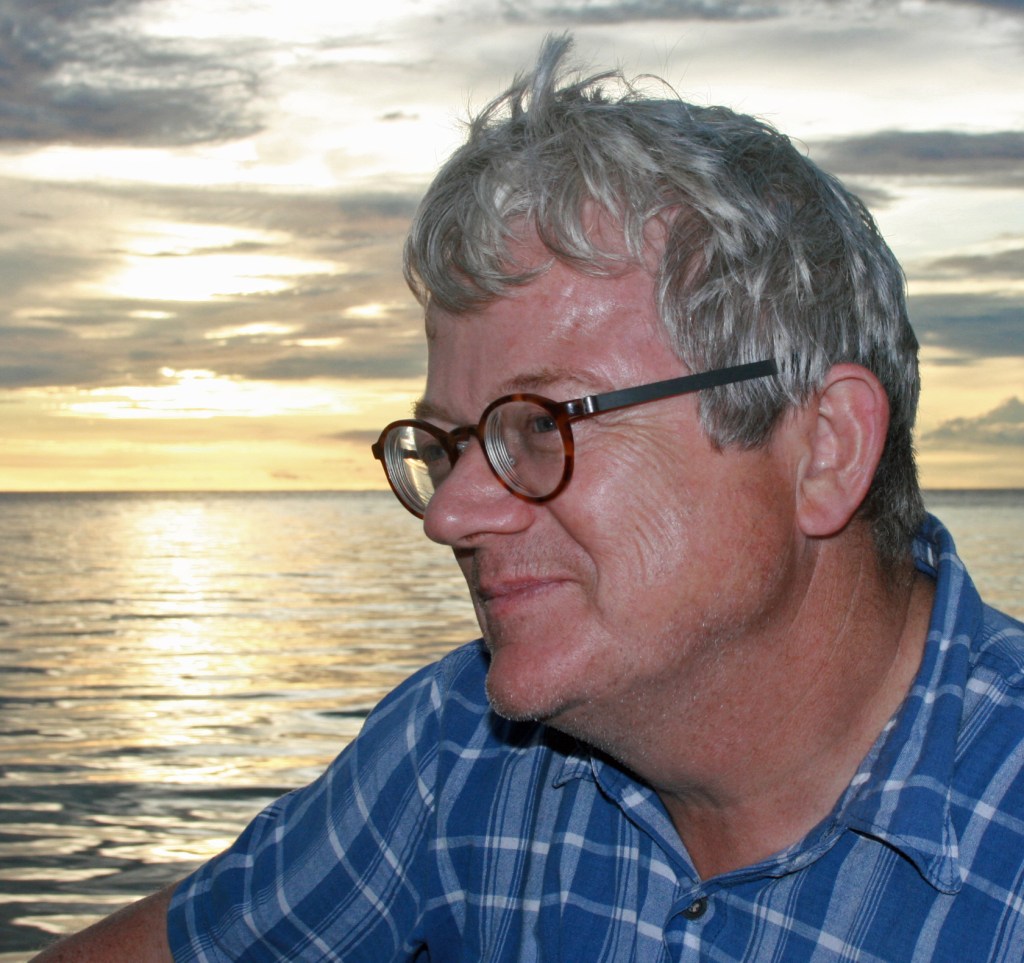
Peter Crawford
Peter I. Crawford is an anthropologist, publisher and filmmaker. He is professor of Visual Anthropology at UiT – The Arctic University of Norway. He is publishing editor of Intervention Press (www.intervention.dk) and on the editorial board of the international journal AnthroVision. Peter is general secretary of NAFA and has been the chairman of the NAFA international film selection committee for many years. Together with Vladimir Bocev from Kratfest he is the main organiser of NAFA2025.
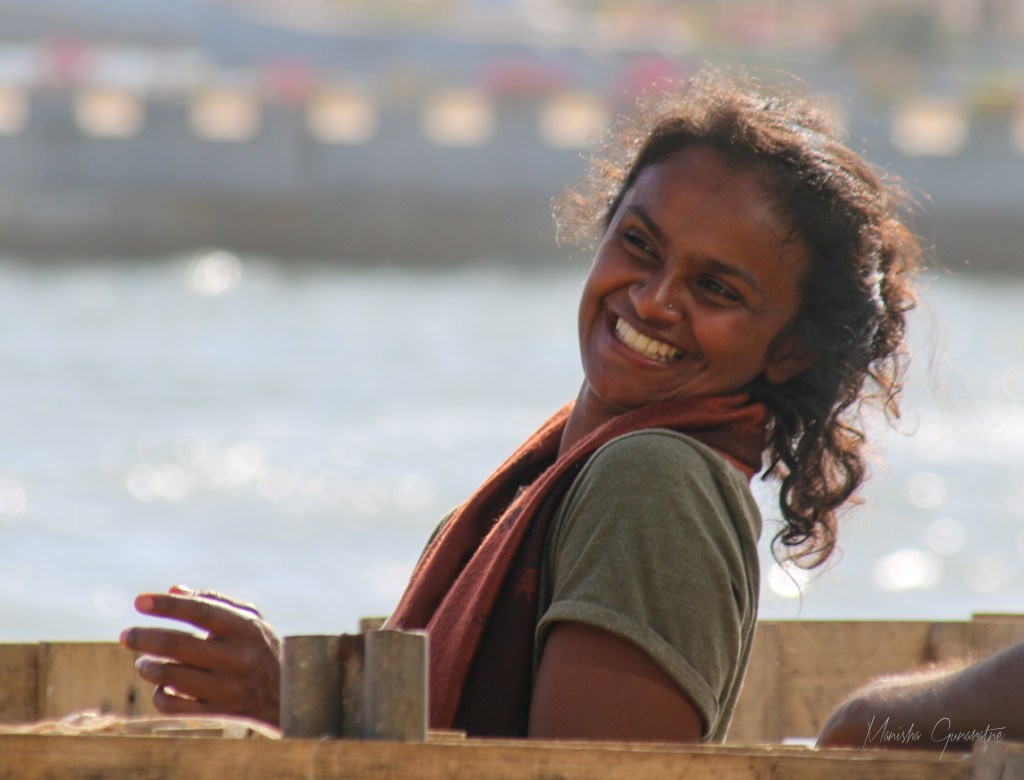
Ilakkiya Simon
Ilakkiya Mariya Simon holds a Master’s in Visual Anthropology from UiT and a BA in Social Anthropology from the University of Bergen. Prior to getting into anthropology, she was a teacher and movement practitioner from different disciplines and arts. Her experiences with movement and her Sri Lankan ancestry are what underpins her anthropological interest exploring existential themes of home, belonging, identity, and the environment. “A Letter To Lanka” (2023) is her first film. She is in the working committee and the film selection committee of NAFA.
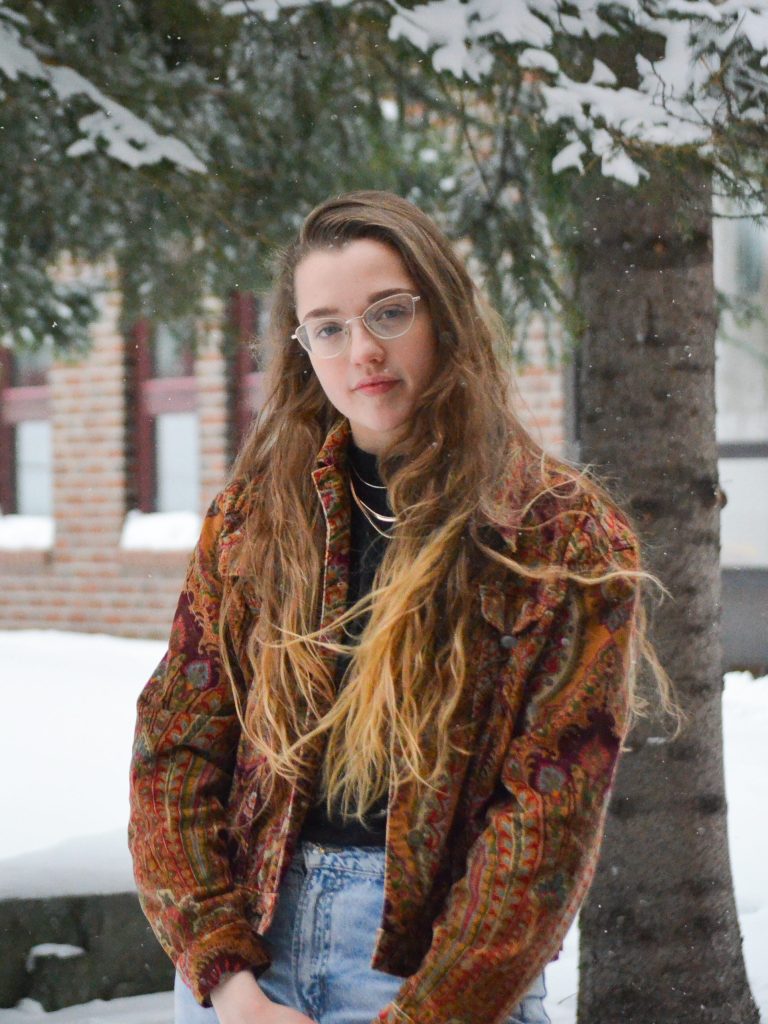
Esme Andrews
Esme Andrews holds an MA in Visual Anthropology from the University of Tromsø and an undergraduate degree in anthropology from the University of Aberdeen. Her first film, ‘The Wireless Set’ explores ageing and care on a Scottish island in the context of globalisation. She now works as an independent advocate in Edinburgh, sits on NAFA’s film selection committee and has been responsible for NAFA’s festival websites for the last few years.
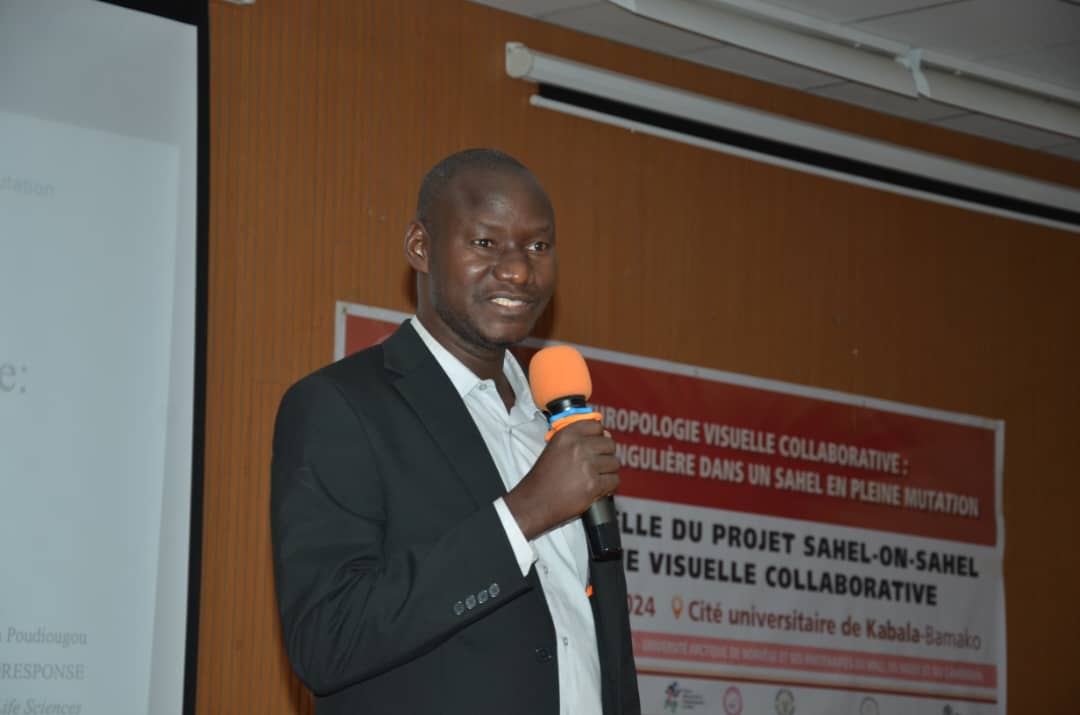
SidyLamine Bagayoko
SidyLamine Bagayoko is an anthropologist with expertise in visual and digital communication (film). He has an MA in Visual Cultural Studies (University of Tromsø) and a PhD in Social Anthropology and Visual Communication from Université Côte d’Azur, Southern France. He has directed several research films related to education and poverty in Mali. He is the coordinator of the Master programme, Collaborative Visual Anthropology and the head of the Laboratory -LAVISCOL- Laboratoire Anthropologie Visuelle Collaborative in the University of Bamako.
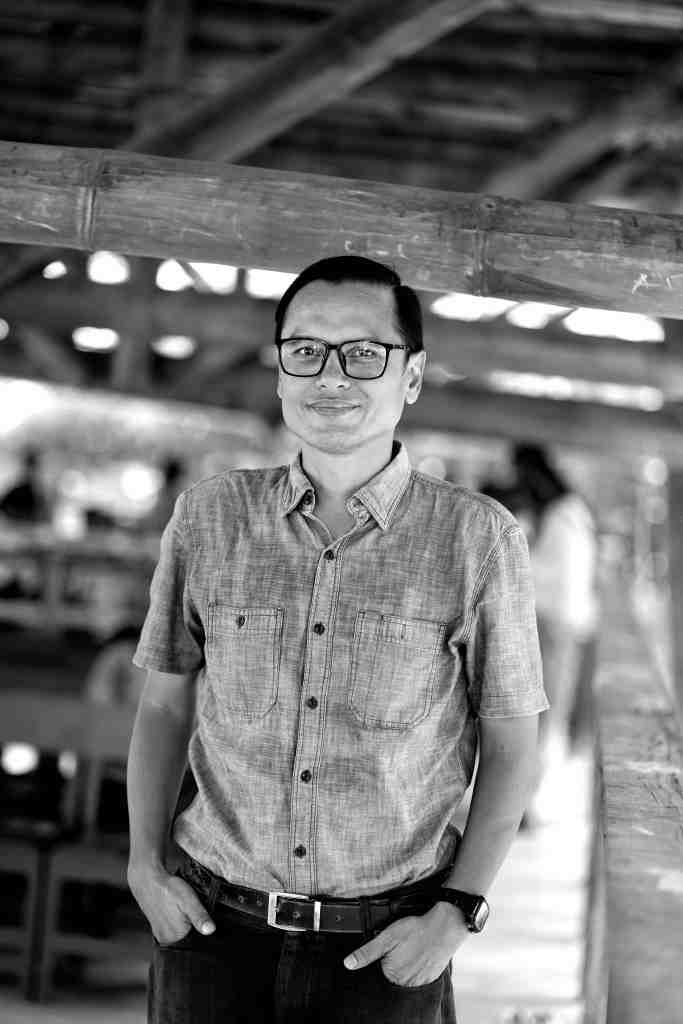
Aryo Danusiri
Aryo Danusiri, assistant professor of anthropology at the University of Indonesia, works on the keywords politics, technology, and ethics in multiple assemblages: religion, urbanity, and climate crisis. An affiliate of the Sensory Ethnography Lab, Danusiri holds a Ph.D. in Social Anthropology with Critical Media Practice from Harvard. Danusiri teaches courses on anthropological theories, technology and the public, and signs and politics, among others. Various international institutions have been supporting his projects, such as the Social Science Research Council (SSRC, USA) and the Wenner-Gren Foundation (USA), or Fulbright. He has been a co-principal investigator on “Fire Play: Understanding and Documenting Indigenous Fire Governance in Indonesia,” funded by DFAT Australia.

Len Kamerling
Len Kamerling is an ethnographic filmmaker and educator. He has made more than a dozen films about Indigenous cultures and issues, and pioneered a community collaborative approach to making ethnographic films that is the foundation of all his work. Throughout his career he has been concerned with cultural representation and the role that ethnographic film can play in eliminating stereotypes and communicating across cultural boundaries. Len is Emeritus Professor and Curator of Film at the University of Alaska Museum of the North in Fairbanks, Alaska.

Knud Fischer-Møller
Cand.scient.anth., related to the Nordic Anthropological Film Association (NAFA) since the beginning of the 1980s, member of NAFA film selection committee several times, participation in a large number of international visual anthropological seminars and conferences as well as film festivals regarding ethnographic documentaries and visual anthropology.
Interests in the performative anthropology in particular in connection with the Danish mask tradition Twelfth Night, which I have researched through more than a decade in collaboration with many of the participants of the public event labeled as the informal-house-visit.
Currently working with personal recovery with a capital R and social change as well as mediating signs of sexual abuse in childhood and/or youth and late consequences of such injustices. That is developing a language in order to speak about the unspeakable.
 NAFA 2025